Carrying Love After Loss

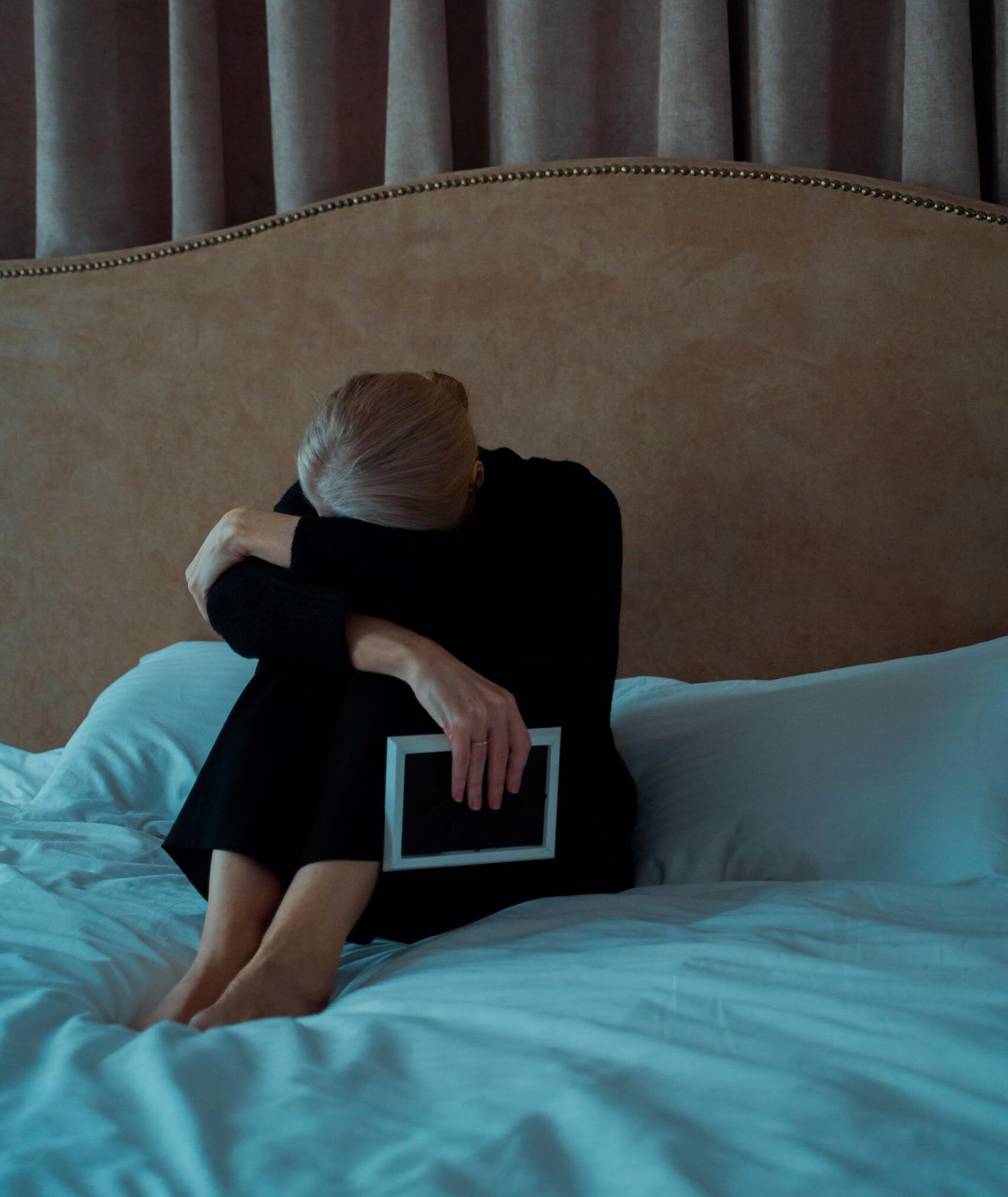
I wish I had been able to have hospice for my husband when he died overseas more than 10 years ago, when he was 48 years old. I felt lost across the sea without family, friends, or even my native language, English. I was submersed against my will in what felt like a crash course in med school. The doctor and some of her staff were lovely and supported us as best they could, but their job was really to take care of the cancer and the infections that attacked his body. I am not even sure if something like hospice existed where we were on the other side of the globe. His diagnosis and death remain the worst experience I have had to live through. I have had to do a lot of healing both on my own and with help. What I have come to realize since is that not all deaths have to be traumatic like my husband’s turned out to be.
With the right palliative and hospice care team alongside loving family and friends death can be a beautiful and peaceful end to life. I did not have such an experience. I was bombarded with decisions to make about his care, calls to the insurance company to make sure they would cover his care, I was worried about his comfort and anxiety, as well as trying to be a source of strength and love for our teenage son.
Some of the repair and healing work that I pursued for myself and my son after the death of my husband included grief support groups, youth bereavement camps, individual therapy, talking with friends, grief classes (including yoga, cooking, Grief Recovery Method, art classes), reading other people’s stories of death and loss, and journaling, so much journaling.
Writing has played a leading role in my life since the age of 15. Back then, I wrote about all topics teenage girls in the 1980s cared about including but not limited to dress shopping for proms, frustrations with my grades, issues with my divorced parents, being bullied, college prep, who I wanted to marry, and the endless changing machinations of friendships. Here I am now literally 40 years later still using writing to salve and process my wounds, ones that my young self could never have imagined, like living through the “til death do us part” section of my wedding vows.
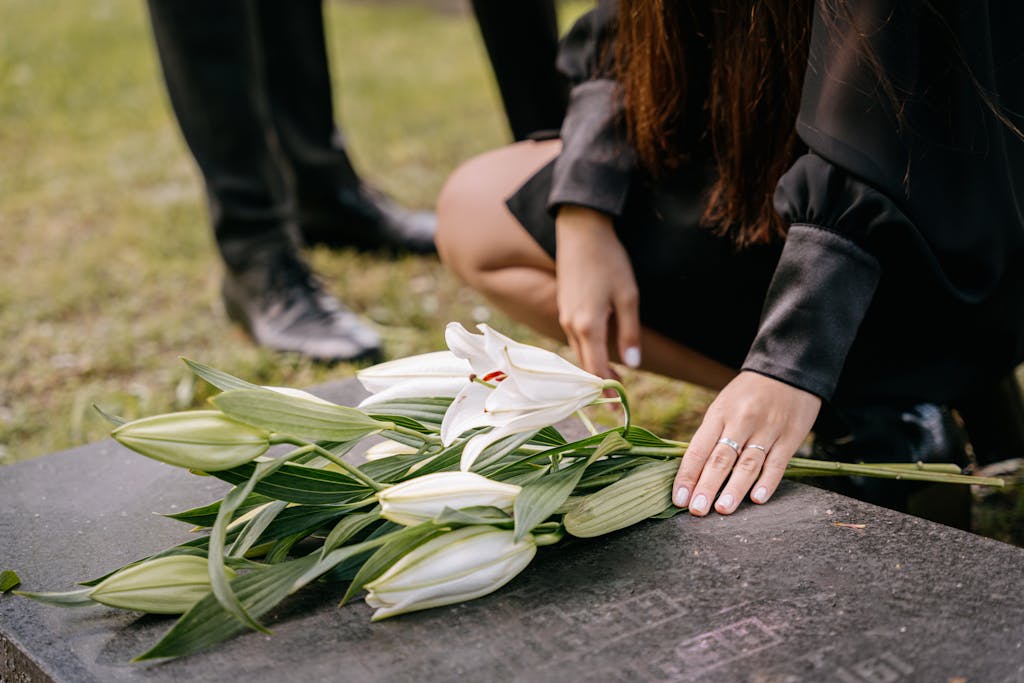
As I look back on the early writings after he died, I see some of the pieces were a bit self indulgent and at other times utterly raw as I tried to capture what loss felt like and how it changed my sense of self, was I still a wife? Two pieces I created during the years that followed were keepsake sized grief books, Hints for Grieflings and Griefsurfing. The process of writing was medicine for my soul. Then I realized that my words and experiences might help other bereaved people move forward with the complicated feelings grief and loss rain down on those left behind. My goal with these tiny books is for them to be portable little grief coaches for your pocket or purse.
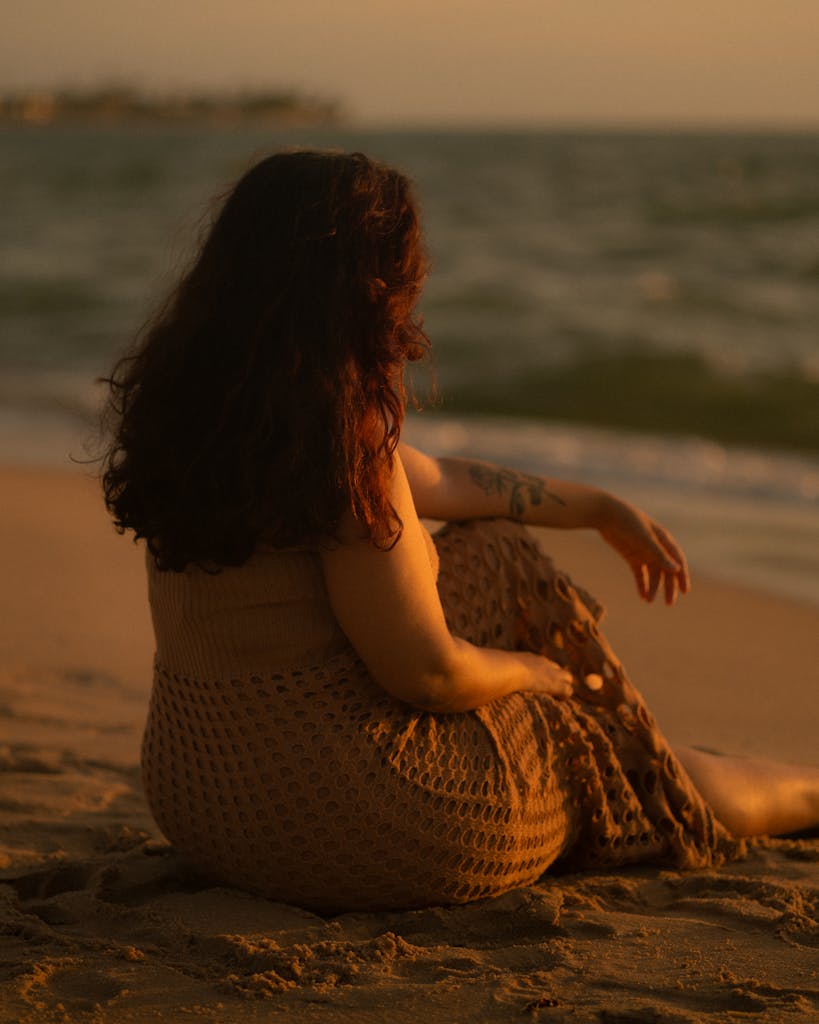
The death of a loved one or someone who played a significant role in your life is a lot to handle and you do not have to do it alone. One of the greatest lessons I learned was it is ok to need support, either professional, from family and friends, or from fellow grievers. It is ok to ask for help when you need it. Learning to carry loss forward with you in life is heavy and getting support is a way of sharing the weight of it.