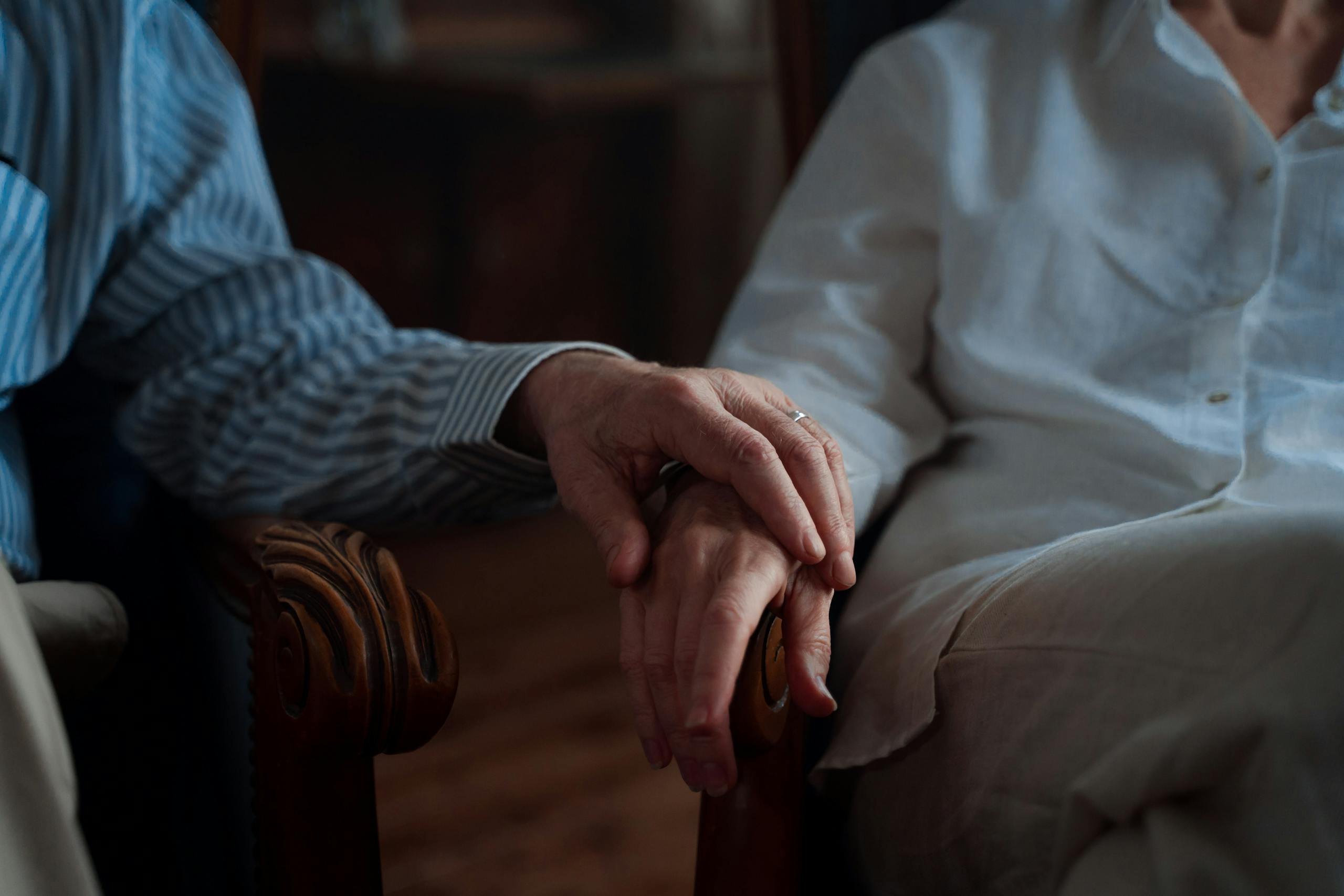
Understanding Caregiver Grief: What It Is and Why It Happens
Grief is often associated with loss, but for caregivers, it begins much sooner; sometimes months or years before a loved one passes away. This is known as caregiver grief or anticipatory grief, a quiet emotional burden that grows as caregivers witness physical, cognitive, or emotional changes in the person they love.
This grief is deeply personal. It comes from watching someone’s independence fade, from losing pieces of conversations and connections, and from mourning the relationship as it used to be. Caregiver grief isn’t dramatic or loud; it is often silent, steady, and profoundly felt.
For additional emotional context on how families cope with long-term illness, you may find our post on supporting families through chronic illness helpful.

The Emotional Toll of Caring for a Loved One
Caring for someone who is declining can feel like living in two worlds at once. On one hand, caregivers show up every day with strength, patience, and love. On the other, they may be carrying heartbreak they rarely speak about.
Common emotional struggles include:
- Sadness for what is changing
- Fear of what lies ahead
- Guilt for feeling overwhelmed
- Anger at the situation or illness
- Loneliness, even when surrounded by others
This emotional toll can be draining. But for many caregivers, love keeps them going; even when their hearts feel heavy.

The Hidden Grief of Caregivers
When we talk about grief, most people imagine the pain that follows a loss; the quiet afterward, the empty spaces left behind, the long process of learning to live without someone we love. But for caregivers, grief often begins long before a life ends. It settles in the small moments of change, the shifting roles, the slow goodbyes that happen long before the final one.This is caregiver grief; a quiet, often invisible experience lived in the shadows of love and responsibility. And yet, it is one of the most profound forms of grief a person can face.

Why Caregiver Grief Often Goes Unnoticed
Caregiver grief is one of the most overlooked emotional experiences because it rarely fits the traditional picture of mourning. Most people expect grief to begin only after a loss, but caregivers often feel it quietly throughout the illness’s journey. Their sorrow is internal, subtle, and layered; not just about the fear of losing their loved one, but also about losing the relationship as it once was. Many caregivers describe feeling invisible in their grief because the attention remains focused on the patient’s comfort, symptoms, and needs. While this focus is understandable, it leaves caregivers with little space to express their own emotional pain or even acknowledge it to themselves. At the same time, caregivers may feel guilty for grieving “too soon,” believing they don’t have the right to feel sadness while their loved one is still alive. This belief keeps many from reaching out for help.
This invisible weight can compound over time, leaving caregivers emotionally drained long before others notice. Recognizing this hidden grief is the first step toward easing the emotional burden. If you’re looking for a deeper understanding of how love continues through these changes, you may find comfort in our reflection piece, Carrying Love After Loss, which speaks to the evolving nature of connection even during illness.
Why Self‑Compassion Matters for Caregivers
Caregivers often pressure themselves to be endlessly patient and strong. But self‑compassion is not optional; it is essential. It protects your emotional health, allows room for healing, and makes caregiving more sustainable.
Small acts of gentleness toward yourself are not selfish; they are lifesaving.



Leave a Reply