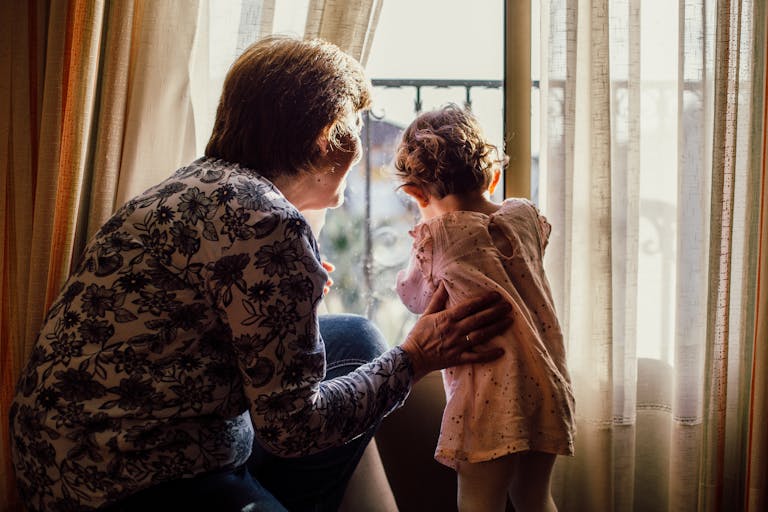
When Memories Change: Walking With Loved Ones Through Dementia
It often starts with something small.
A missed appointment.
A story repeated again, and again.
A moment where someone you love looks at you, searching for a word that won’t come.
At first, it’s easy to brush off. Everyone forgets things sometimes. But when those moments begin to feel familiar in a way that doesn’t feel right, families start asking quiet questions, they never imagined they’d have to ask.
This is how many people begin their journey with dementia.

More Than Memory Loss
Dementia is often talked about as a medical condition, and it is but for families, it’s also a deeply emotional experience. It affects not just memory, but how someone thinks, communicates, connects, and moves through the world.
A parent who once knew every birthday may struggle to remember today’s date.
A partner who always handled conversations may become withdrawn or frustrated.
A grandparent who once told endless stories may suddenly grow quiet.
And yet, their hearts are still there. Their need for love, safety, and dignity remains unchanged. This loss of memory can make your loved one feel like someone who is unfamiliar. Navigating through this personality change can cause feelings of confusion and loss. This can sometimes lead to grief that begins early.
The Unspoken Grief
One of the hardest parts of dementia is that it brings a kind of grief that unfolds slowly. One that is slow but increasingly present as time continues.
Families grieve changes even while their loved one is still with them:
- Grieving conversations that don’t happen the same way
- Grieving independence that fades step by step
- Grieving the feeling of certainty about what tomorrow will look like
Caregivers often carry this silently. They show up every day, adjusting routines, answering the same questions patiently, learning when to step in, and when to simply sit beside someone who is confused or afraid.
It’s okay to admit that this is hard. Loving someone with dementia takes strength, patience, and compassion, for them and for yourself. Especially for children of parents who have dementia, seeing the person who once loved you, love you differently, is hard. Remember that regardless of their changing behaviors, their heart is still with you. Their love is still with you. Their shared memories are still with you, and those are yours to keep.
You’re Not Failing, You’re Adapting
Many caregivers worry they’re “doing it wrong.”
But dementia care is not about perfection.
It’s about meeting someone where they are, not where they used to be. Interactions and habits may change, and this is completely normal. Do not stress if your loved one’s behaviors have changed. Rather than trying to bring them back to their old ways, be gentle with them and accept their new habits/behaviors. Be gentle with them and meet them where they are at.
Sometimes that means:
- Choosing comfort over correction
- Letting go of arguments that don’t need winning
- Finding connection in familiar music, shared photos, or holding hands
Moments of clarity may come and go, but moments of connection can still be created every day.
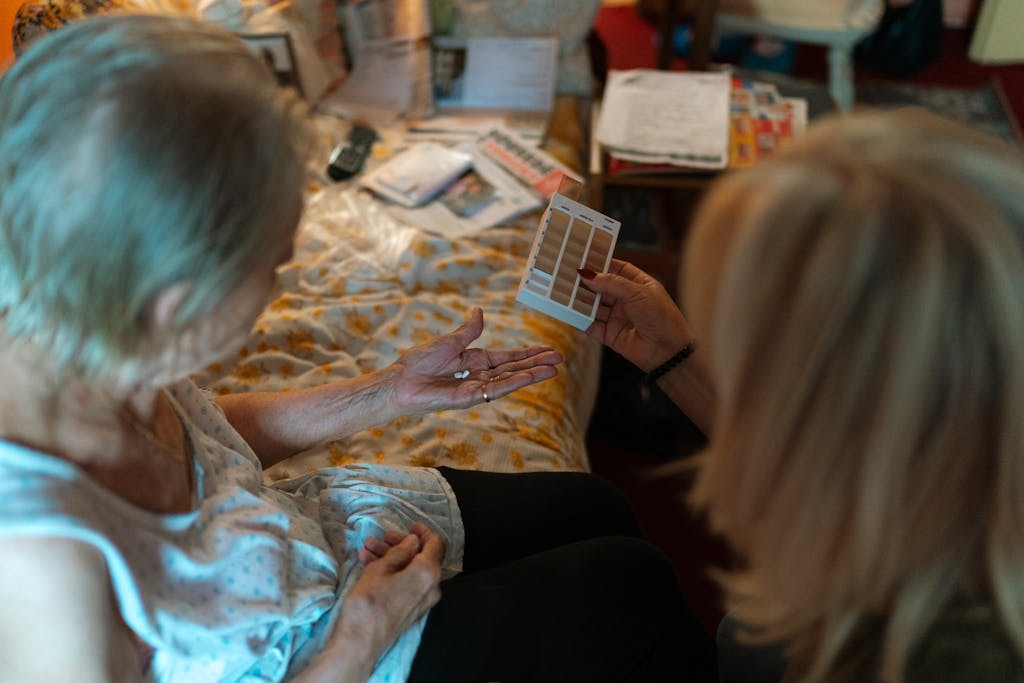
Small Things Matter More Than You Think
At Mosaic Healthcare, we often see how small changes can mean everything:
- A calm routine that reduces anxiety
- A familiar face explaining medical care gently
- A provider who listens, to both the patient and the caregiver
Dementia care isn’t just about treating symptoms. It’s about creating an environment where people feel seen, respected, and safe.
Even as memories change, people still feel kindness, frustration, joy, and love. Those emotions matter.
When to Reach Out for Support
If you’re noticing changes in memory, behavior, or personality in yourself or someone you love, you don’t have to wait until things feel overwhelming to ask for help.
Early conversations with a healthcare provider can:
- Provide clarity and reassurance
- Rule out treatable causes of memory changes
- Help plan care that supports both the patient and family
Most importantly, it reminds you that you’re not alone in this.
How Mosaic Healthcare Walks with You
At Mosaic Healthcare, we understand that dementia care is personal. Our approach centers on:
- Respecting the person behind the diagnosis
- Supporting families and caregivers, not just medical needs
- Providing compassionate, coordinated care at every stage
Whether you’re just beginning to ask questions or navigating daily care needs, we’re here to listen, guide, and support you with empathy and understanding.

A Final Thought
Dementia may change memories, but it does not erase a lifetime of meaning.
Love doesn’t disappear because words are forgotten.
Connection doesn’t end when stories fade.
And no one should have to navigate this journey alone.
If you or someone you love is facing dementia, Mosaic Healthcare is here every step, every question, every moment that matters.