
Finding Your People Again: How Hospice Helps Fill the Quiet Friends Leave Behind

Here’s something that often happens long before hospice ever enters the picture. Somewhere in the middle of a long illness, after the initial wave of phone calls and well wishes, things start to go quiet. Visits become shorter and less frequent. Texts slow down. Not because anyone stopped caring, but because illness can be uncomfortable for people who don’t know what to say, so many of them simply go quiet instead.
If that’s happened to you or someone you love, please know two things. First, that quiet isn’t a reflection of how much you matter. And second, it doesn’t have to stay that way. At Mosaic Healthcare, one of the things we’re most proud of is how hospice care becomes the moment connection comes back into someone’s life, often when they need it most.
The Doorbell That Stopped Ringing:
A woman I worked with, I’ll call her Renee, once told me that the hardest stretch of her husband’s illness wasn’t right after his diagnosis. It was the year that followed, when their phone, once buzzing constantly with friends and neighbors, slowly went silent. People meant well, she said, but illness made them nervous, and that nervousness turned into distance.
By the time her husband became eligible for hospice, Renee admitted she expected more of the same. More quiet, more distance, more feeling like she was carrying everything alone.
That is not what happened. And her story is exactly why we wanted to write this.

Why People Pull Away, and Why Hospice Is Different:
The loneliness that creeps in during a long illness is well documented. Research on chronic illness has found that friends often withdraw not out of indifference, but because they feel unsure how to help or worry about saying the wrong thing, leaving many patients and caregivers feeling unexpectedly isolated right when support matters most.
Hospice care was built with this exact gap in mind. Unlike the unpredictable rhythm of friends and extended family, hospice teams show up consistently, and that consistency is part of the design. Research on hospice services has highlighted how dedicated visits from nurses, chaplains, social workers, and trained volunteers offer companionship, conversation, and a sense of normalcy that helps directly counter the isolation so many patients and families experience.
In other words, hospice isn’t where connection goes to disappear. For many families, it’s where it quietly comes back.

What Changed for Renee:
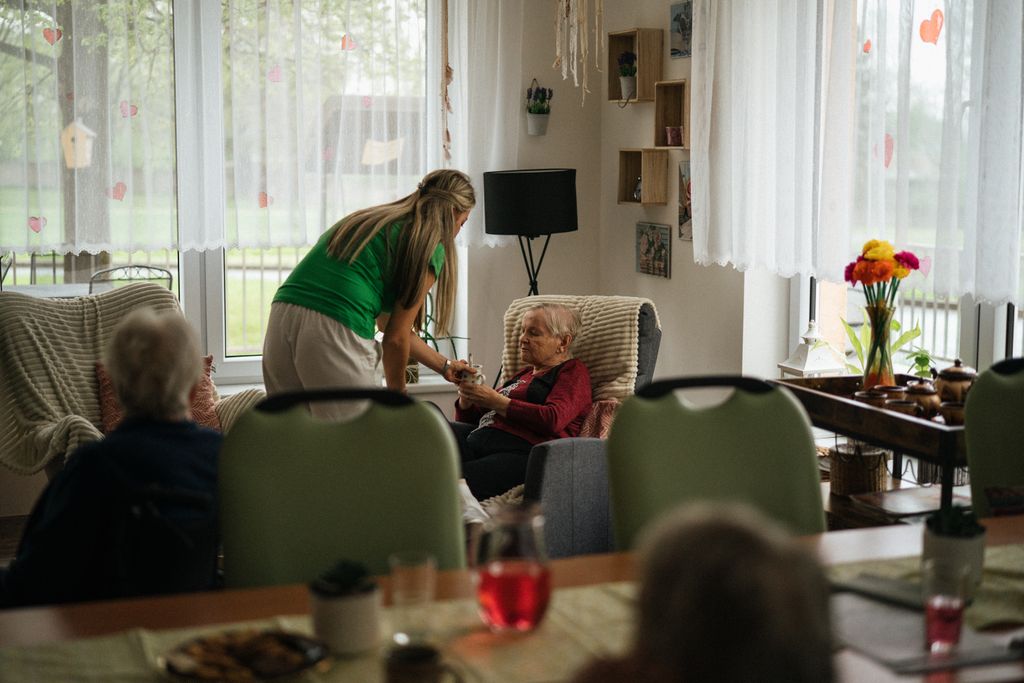
Within the first two weeks of hospice care, a volunteer started visiting Renee’s husband every Thursday afternoon, just to talk, play cards, or sit with him while he watched the news. A chaplain began stopping by to check on Renee herself, not just her husband, asking how she was holding up. A social worker connected her with a small caregiver support group that met every other week.
Renee told me later that for the first time in over a year, she didn’t feel like she was managing everything in isolation. She had people again, steady, familiar people who kept showing up, week after week, without her having to ask twice.
That is what hospice is meant to do. It doesn’t just manage symptoms, it rebuilds a circle of support around people exactly when their old one has worn thin.
What Hospice Brings Back Into Your Corner:
If you’re weighing whether hospice is the right step for you or someone you love, here is some of what that support can look like in practice:
● Consistent, scheduled visits: Hospice nurses and staff don’t disappear when things get hard, regular visits become something you can count on, week after week.
● Emotional support for caregivers, not just patients: Chaplains and social workers are trained to check in on how you’re doing too, because caregiving is its own heavy lift that deserves support.
● Built in community: Many hospice programs offer support groups, where patients and caregivers connect with others who genuinely understand what this season feels like.
● Companionship that asks for nothing in return: Trained volunteers are there simply to sit, talk, or share a quiet afternoon, no pressure, no awkwardness, just presence.
● A team that welcomes your people back in: Hospice staff can also gently coach hesitant friends and family on how to show up, helping rebuild the relationships that felt too uncertain to navigate alone.
If fear of being more alone has been holding you back from considering hospice, we hope Renee’s story offers a different picture. For many families, hospice isn’t the quiet ending people imagine. It’s often the moment someone finally feels held again, surrounded by people who show up, and keep showing up, for as long as you need them.